GIRLFRIEND BOYFRIEND NOVELTY: A Designer’s Review for Real Embroidery Projects
When I sit down to evaluate a new machine embroidery design, I am rarely looking at just pixels on a screen. I am visualizing the needle moving through fabric, the tension of the thread, and ultimately, how a customer will feel when they hold or wear the finished item. Today, I am putting that critical eye toward the GIRLFRIEND BOYFRIEND NOVELTY RELATIONSHIP Graphic Design. This piece is marketed heavily toward Print-on-Demand (POD) businesses and Etsy sellers, positioning itself as a versatile asset for jewelry, t-shirts, and general novelty apparel. But does it hold up under the scrutiny of real-world embroidery project execution? Let us break down its potential, its pitfalls, and where it truly shines.
First Impressions: Mood and Visual Personality
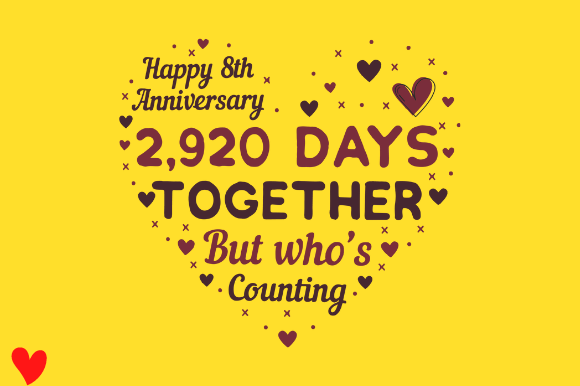
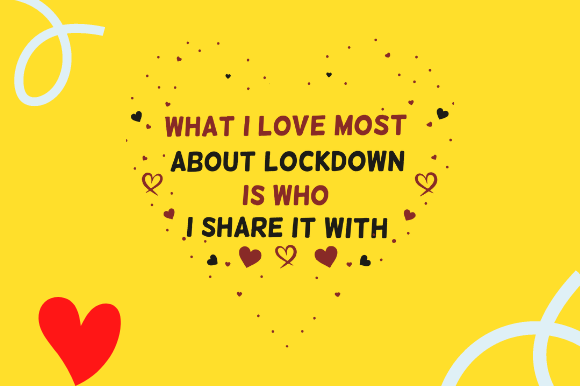
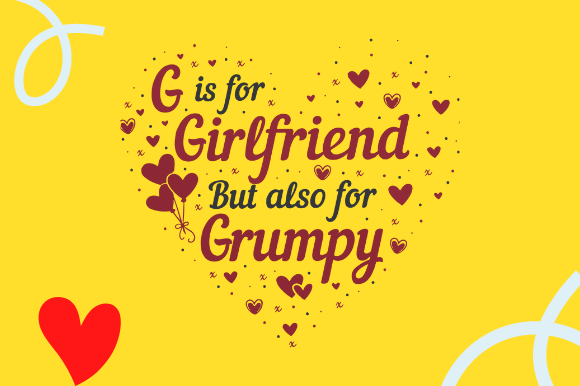
The moment you load this file into your digitizing software, the immediate takeaway is its playful, conversational nature. The title alone—GIRLFRIEND BOYFRIEND NOVELTY—suggests a lighthearted, perhaps slightly ironic take on modern relationships. In the world of handmade products, humor and relatability are powerful drivers of sales. This design taps directly into that vein. It feels less like a formal declaration of love and more like a fun inside joke between partners, which makes it highly marketable for couples who appreciate wit over traditional romance.
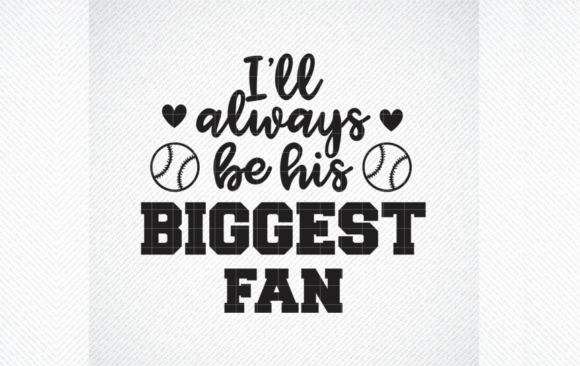
Visually, the layout appears balanced for standard hoop sizes. The text-heavy nature of the graphic suggests it relies heavily on clear lettering and perhaps some decorative accents to carry the weight of the message. For an embroidery designer, this means the success of the final product hinges entirely on stitch quality. If the letters are too thin or the spacing is off, the "novelty" factor can quickly turn into a muddy, unreadable mess. However, if executed well, the boldness of the statement creates an instant connection with the viewer. It screams casual confidence, making it perfect for everyday wear rather than formal occasions.
Real-World Application: Where Does This Design Fit?
I have spent years testing designs across various substrates, and I believe this specific graphic has a strong niche in several key categories. It is not a one-size-fits-all solution, but rather a targeted tool for specific types of handmade products.
- Custom Apparel and Sweatshuits: This is the most obvious application. Imagine this design embroidered on the back of a heavyweight cotton sweatshirt or across the chest of a soft, heather-gray tee. The contrast between the playful text and the cozy texture of the fabric creates a high-value custom apparel item. It works exceptionally well for couple’s matching sets, where one partner wears "Girlfriend" and the other "Boyfriend," creating a cohesive brand look for small shop product lines.
- Tote Bag Designs: Canvas tote bags are a staple for craft fairs and boutique branding. This design translates beautifully to a sturdy canvas bag. The durability of the fabric allows for slightly denser stitching without puckering, ensuring the text remains crisp after dozens of washes. It serves as both a functional item and a walking advertisement for the maker’s style.
- Personalized Gifts and Holiday Embroidery: Think about gifting scenarios. Valentine’s Day, anniversaries, or even "just because" gifts often call for something personal yet fun. This design fits perfectly into the personalized gift category. It could be stitched onto a kitchen towel for a newlywed couple, adding a touch of domestic humor, or onto a pillow cover for a shared living space.
- Baby Embroidery and Nursery Decor: While the theme is romantic, the novelty aspect can be softened for baby items. Using pastel thread colors, this design could work on a onesie or a nursery wall hanging, celebrating the parents’ relationship alongside the new arrival. It adds a layer of narrative to the nursery decor that many modern parents appreciate.
Technical Considerations and Stitch Execution
As a reviewer, I must address the technical realities of turning this graphic into a physical object. The term stitch density is crucial here. If the design includes large blocks of fill stitch, you need to ensure your fabric has enough body to support it. On thin fabrics, such as lightweight polyester blends or delicate linens, dense stitching can cause visible distortion on the reverse side, ruining the clean look of the finished product.
Furthermore, consider the use of satin stitch versus running stitch. If the design features outlined text, satin stitches provide a polished, professional edge. However, on curved surfaces like caps or hats, tight satin stitches can bunch up. In these cases, a lighter touch with running stitches or smaller fill areas might yield a more comfortable and aesthetically pleasing result. Always test on scrap fabric first to check how the thread colors interact with your chosen base material. Dark fabrics require high-contrast threads, while light fabrics allow for more subtle, tonal choices.
Another critical factor is the stabilizer. For any commercial embroidery intended for sale, stability is non-negotiable. Using the wrong stabilizer can lead to puckering, especially around the edges of the text. A cut-away stabilizer is generally recommended for woven garments to ensure longevity, while tear-away might suffice for temporary items like party favors. Ignoring this step is a common mistake among beginners, but it is what separates a hobbyist project from a sellable Etsy listing.
Where to Use Caution
Not every surface is suitable for this design. Avoid placing it on highly textured fabrics, such as heavy bouclé or loose-weave baskets, unless you are prepared for significant detail loss. The fine details of the lettering may get lost in the weave, resulting in a blurry appearance. Similarly, stretchy knits require careful hooping and potentially a different stabilizer approach to prevent the design from warping during wear. Be wary of using this design in very small hoop sizes; if the text is compressed too much, the "novelty" charm disappears, replaced by illegibility.
Impact on Brand and Customer Trust
In the competitive landscape of digital product sellers and craft businesses, presentation is everything. A well-executed GIRLFRIEND BOYFRIEND NOVELTY design signals professionalism. When a customer sees crisp, evenly spaced stitching, they trust the quality of the garment itself. Conversely, sloppy execution can undermine the perceived value of the item, regardless of how good the underlying graphic is.
This design also offers strong brand consistency opportunities. If you run a boutique focused on witty, relationship-themed goods, this piece can serve as a cornerstone item. It encourages social sharing; people love posting photos of their matching couple’s gear online. By providing a high-quality printable mockup or a stunning photo of the actual finished product, you leverage this natural desire for recognition to drive engagement. It transforms a simple piece of clothing into a statement piece that customers are proud to display.
Final Verdict and Practical Advice
The GIRLFRIEND BOYFRIEND NOVELTY RELATIONSHIP Graphic Design is a solid addition to the arsenal of any craft business owner looking to tap into the couple’s market. Its strength lies in its relatability and versatility across multiple product types, from sweatshirt embroidery to embroidered patches. However, its success depends entirely on your technical execution.
Before committing to mass production or listing it on your shop, I strongly advise the following steps:
- Test Rigorously: Stitch the design on at least three different fabric types (cotton, polyester, and a blend) to see how it handles.
- Check Licensing: Ensure you have the correct rights for commercial embroidery if you plan to sell the finished items. Many digital embroidery files come with specific restrictions that must be respected.
- Optimize Details: Inspect the design in black and white mode to check contrast. Adjust thread colors if necessary to ensure readability on your target fabric.
- Verify Hoop Size: Confirm that the design fits comfortably within your standard hoop sizes to avoid awkward trimming or re-hooping.
If you treat this design with the respect it deserves—paying attention to stitch density, stabilizer choice, and thread selection—it has the potential to become a bestseller. It captures a mood that resonates with buyers, offering a blend of humor and affection that is hard to resist. For the skilled embroiderer, it is not just a file; it is an opportunity to create something meaningful, marketable, and distinctly handmade.