Merry Christmas Tree Svg Review
As a designer who spends more time looking at stitch density and fabric grain than scrolling through endless marketplaces, I approach every new digital asset with a healthy dose of skepticism. The holiday season is the Super Bowl for embroidery businesses, but it is also where quality often takes a backseat to volume. That is why I decided to put Merry Christmas Tree Svg through its paces before adding it to my own library or recommending it to fellow crafters. This isn’t just about how the vector looks on a screen; it is about how it translates when the needle hits the cloth.
First Impressions and Visual Personality
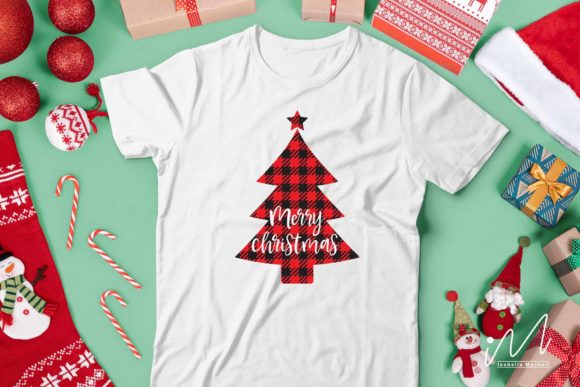
The moment you open the file, the mood is immediately established. It carries that distinct, nostalgic warmth associated with traditional holiday decor. The design centers around a classic tree motif paired with the quote “Merry Christmas.” What stands out here is the balance between simplicity and charm. In a sea of overly complex, multi-colored scenes that can look cluttered when stitched, this design opts for clean lines and readable typography.
From a design perspective, the layout feels grounded. The tree anchors the composition, providing a strong vertical element that works well on garments and home goods. The text is integrated naturally rather than slapped on top, which suggests a higher level of thoughtful creation. For an embroidery project, this kind of clarity is vital. It promises a finished product that looks professional rather than amateurish, even if the stitching is done quickly. The visual personality is festive without being chaotic, making it versatile enough for both serious boutique branding and casual hobbyist gifts.
Real-World Application: From Screen to Stitch
I want to talk about where this Merry Christmas Tree Svg actually shines in a commercial or personal context. Imagine you are preparing inventory for a craft fair or updating your Etsy shop for the peak season. You need items that photograph well and appeal to a broad audience. This design fits seamlessly into several high-demand categories.
Consider a custom embroidered tote bag design. A structured canvas tote with this tree centered on the front panel creates an instant gift-ready item. The contrast of dark thread on natural canvas would highlight the shape beautifully. Alternatively, think about sweatshirt embroidery. Holiday-themed loungewear is huge right now. Placing this design on the chest or as a larger back print on a heavy cotton blend sweatshirt adds a touch of cozy elegance. It works because the scale is adaptable; you can resize it to fit a small left-chest logo or expand it for a statement piece.
For those selling personalized gifts, this design offers excellent flexibility. It pairs wonderfully with baby clothes, creating a sweet keepsake for a newborn’s first Christmas. The simple lines ensure that even on delicate baby fabrics, the design remains legible and soft against the skin. It also translates effectively to kitchen textiles. An embroidered patch applied to a tea towel or a pillow cover brings a rustic, farmhouse vibe that many homeowners seek during the holidays. The design’s adaptability means it can serve as a handmade product core across multiple price points, from low-cost impulse buys to higher-end custom orders.
Technical Considerations and Fabric Compatibility
No matter how beautiful a vector is, its success depends on execution. When evaluating this embroidery file, we must consider where it might struggle. The design relies heavily on clear definition, which means fabric choice is critical. On textured fabrics like chunky knits or bouclé, the fine details of the tree branches or the edges of the letters may get lost. In such cases, the design might require a heavier stabilizer or a reduction in complexity to maintain integrity.
Stretchy fabrics present another challenge. If you are working with thin jersey or spandex blends, the tension of the stitches could distort the shape of the tree. Always test on scrap fabric first to adjust your hoop tightness and stabilizer type. Similarly, on dark fabrics, you will need to choose thread colors carefully. While the design allows for color changes, using light threads on dark backgrounds requires good coverage, which might increase the stitch density and make the final product feel stiff.
Be mindful of small details. If you plan to use this as an embroidered patch or on a cap, ensure the smallest elements are large enough to be stitched cleanly. Tiny lettering or thin decorative accents can break easily or become muddy if the machine settings are not precise. Also, remember that curved surfaces like caps or hats require careful digitizing to prevent puckering. If the original file does not account for curvature, you may need to adjust the design in your software before hooping.
Stitch Types and Material Interaction
Depending on how the file is constructed, you might see a mix of satin stitch for outlines and borders, and fill stitch for the body of the tree. Satin stitches provide a crisp, polished edge that enhances the visual appeal, while fill stitches add texture and depth. However, dense fill areas can weigh down lightweight fabrics. If you are using this for a tote bag design made of light linen, excessive density might cause the fabric to sag. In such instances, opting for a lighter running stitch outline or reducing the fill density can preserve the drape of the material.
The interaction between thread colors and fabric texture is also worth noting. Metallic threads can add a luxurious sparkle to the tree, but they require slower machine speeds and specific tension settings to avoid breaking. Cotton or polyester threads offer reliability and a matte finish that complements the rustic theme. Experimenting with different thread types can help you tailor the finished product to your specific brand aesthetic.
Practical Advice for Designers and Sellers
Before committing to mass production or listing this as a digital embroidery file for sale, there are several steps every designer should take. First, always inspect the design in black and white mockups. This helps you assess the contrast and readability independent of color choices. Next, compare how the design looks on both light and dark fabric backgrounds to ensure versatility.
Confirm the licensing terms thoroughly. Even though this is marketed as a craft business asset, you must verify whether you have commercial rights to sell finished items. Using a design without proper permission can lead to legal issues and damage your reputation as an Etsy seller or small shop product creator. Additionally, check if the file includes instructions for resizing without distorting the aspect ratio, as maintaining proportions is key to a professional look.
Finally, consider the customer experience. A well-executed Merry Christmas Tree Svg not only looks good but also tells a story of care and quality. When buyers receive a personalized gift or a boutique item that feels sturdy and visually pleasing, they are more likely to leave positive reviews and return for future purchases. By taking the time to test stabilizers, hoop sizes, and thread combinations, you elevate the perceived value of your work.
In summary, this design offers a solid foundation for holiday-themed creations. Its clean aesthetic and adaptable layout make it suitable for a wide range of applications, from custom apparel to home decor. With careful attention to fabric selection and machine settings, it can help you create memorable, high-quality products that resonate with customers during the busy holiday season.