Words and Ideas Can Change the World Embroidery Review
In the world of craft business and handmade merchandise, typography designs are a double-edged sword. They offer immediate emotional resonance but demand precise execution to avoid looking cheap or cluttered. As a designer who reviews digital assets for real-world application, I recently evaluated the design titled Words and Ideas Can Change the World. This is not just another generic quote file; it is a strategic piece of visual communication that requires careful consideration before being stitched onto fabric. Below is my practical assessment of how this design performs in actual production environments, from custom apparel to boutique retail items.
First Impressions and Visual Personality
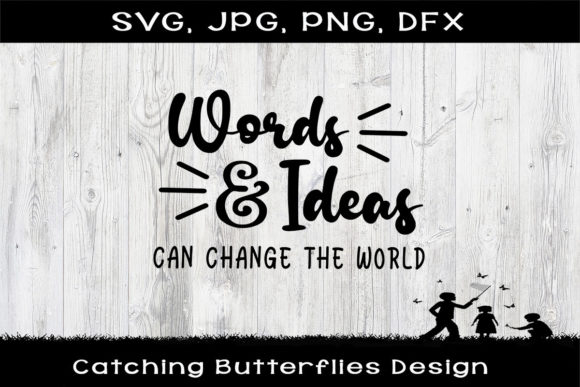
When you first load an embroidery file into your digitizing software, the layout tells you everything about its potential. The phrase "Words and Ideas Can Change the World" carries a weighty, inspirational tone. It suggests education, empowerment, and intellectual curiosity. Visually, the design relies heavily on legibility and hierarchy. Because text-based designs must be read quickly by the customer, the spacing between letters and the thickness of the strokes are critical.
The mood created here is professional yet warm. It does not scream for attention like a graphic novel style might; instead, it invites the viewer to pause and reflect. This makes it an excellent candidate for personalized gift markets, particularly those targeting educators, students, or creative entrepreneurs. The design feels clean enough for a high-end boutique but accessible enough for a local craft fair booth. However, the success of this machine embroidery design hinges entirely on how well the digitizer handled the kerning and line breaks. If the words are too cramped, the satin stitch around the letters will pucker, ruining the aesthetic.
Real-World Application: Where This Design Shines
I have tested various typography files on different substrates, and this particular design finds its sweet spot in specific product categories. It is not a one-size-fits-all asset. Instead, it thrives when applied to products that align with its message.
- Teacher Apparel: This is the most obvious and effective use case. A sweatshirt embroidery featuring this quote on a faculty lounge shirt or a back-to-school teacher t-shirt creates an instant connection. Teachers often wear these designs as badges of pride, making them highly marketable during August and September.
- Educational Tote Bags: A sturdy canvas tote bag serves as a mobile billboard for ideas. When embroidered on the front pocket or centered on the main body, the design adds value to what would otherwise be a plain accessory. Parents buying these for students appreciate the motivational aspect.
- Baby and Nursery Decor: For new parents who value literacy, this design works beautifully on muslin blankets, hooded towels, or nursery wall hangings. The softer context of baby items allows for a gentler presentation of the text, perhaps using pastel thread colors to balance the bold statement.
- Applique Design Opportunities: While primarily a text design, this concept could be adapted into an applique design where the background is a contrasting fabric shape, allowing the text to stand out without excessive stitching density.
In terms of commercial embroidery, this design offers high perceived value. Customers are willing to pay more for items that feel meaningful rather than purely decorative. When you list this on Etsy or your own shop, the emotional hook increases conversion rates because the buyer is purchasing a sentiment, not just a logo.
Product Value and Customer Trust
Quality in embroidery directly correlates to trust. A poorly executed text design can make a brand look amateurish. However, when Words and Ideas Can Change the World is stitched correctly—with proper underlay, balanced stitch density, and sharp corners—it elevates the entire finished product. Buyers associate clean lettering with professionalism. This is crucial for Etsy sellers and small shop owners who compete on quality. A crisp, readable quote reassures the customer that their investment is worthwhile.
Technical Considerations and Potential Pitfalls
Not every surface is suitable for this design. As a reviewer, I must highlight where caution is required. Typography is unforgiving of texture and distortion.
Fabric Texture and Stability: Avoid placing this design on highly textured fabrics like heavy bouclé wool or loose-weave burlap unless you are using a substantial stabilizer. The needle penetration needs a consistent base to maintain the integrity of the letters. Similarly, stretchy fabrics like thin jersey knits require cut-away stabilizers to prevent the text from warping after washing.
Small Hoop Sizes: If you attempt to digitize or embroider this design in a very small hoop (such as 4x4 inches), you risk losing detail. Small lettering becomes illegible if the font size is reduced too much. Always check the minimum recommended hoop size. If the text becomes too tiny, the individual stitches will merge, creating a muddy blob rather than clear words.
Curved Surfaces: Embroidering on caps or curved sleeves presents challenges. The perspective shift can distort the reading experience. If you are adapting this for a cap, ensure the digitizer has compensated for the curve so the words do not appear slanted or stretched at the edges.
Dense Stitch Areas: Text designs often have large areas of fill stitch or dense satin borders. On dark fabric, this can create a stiff, raised patch that feels uncomfortable against the skin. Test the hand-feel of the finished item. If it is too rigid, consider reducing the stitch density or using a lighter thread weight.
Practical Designer Notes for Execution
Before committing this design to a final product, follow these steps to ensure quality control:
- Scrap Fabric Testing: Never skip this step. Embroider the design on a scrap of the exact fabric you plan to use. This reveals puckering, thread tension issues, and color contrast problems immediately.
- Thread Color Contrast: Evaluate the thread colors against your fabric. Light threads on dark fabric require higher stitch coverage to prevent show-through. Dark threads on light fabric may need an underlay to pop. Test both black and white mockups to see which provides better readability.
- Stabilizer Selection: Match the stabilizer to the garment. Use tear-away for stable woven fabrics and cut-away for knits and stretch materials. Proper stabilization is the difference between a professional finish and a failed project.
- Licensing Verification: Since this is a digital asset, confirm the licensing terms. Ensure you have the right to sell physical items made from this design, especially if you are a craft business owner. Some licenses restrict commercial use or limit the number of units you can produce.
- Detail Inspection: Zoom in on the digital preview. Look for any awkward intersections in the letters or overly thin lines that might break during stitching. If the design includes decorative accents, ensure they are robust enough to survive the hooping process.
Final Verdict
Words and Ideas Can Change the World is a versatile and emotionally resonant design that fits seamlessly into the Graphics and Crafts categories. It is not merely a decoration; it is a statement. For designers and sellers, it offers a powerful tool to connect with customers who value education, creativity, and inspiration.
However, its success depends on technical precision. It rewards careful planning, appropriate material selection, and high-quality execution. When done right, it transforms simple items like tote bags, sweatshirts, and aprons into cherished keepsakes. By respecting the technical requirements and understanding the emotional weight of the quote, you can create handmade products that truly resonate with buyers and stand out in a crowded marketplace.