Proud Nana of a Police Officer Thin Blue Design Review
As an embroidery designer who spends half my life staring at stitch maps and the other half troubleshooting tension issues on vintage cotton, I don’t just buy designs because they look cute on a screen. I buy them because they translate well to thread. When I pulled up the Proud Nana of a Police Officer Thin Blue graphic, my first instinct was to ask: does this work as a functional machine embroidery design, or is it just another decorative image that will fall apart under the needle?
This review comes from the perspective of someone who uses these files for real client orders, handmade product lines, and personalized gifts. If you are an Etsy seller, a boutique owner, or a crafter looking to add meaningful items to your shop, here is my practical breakdown of how this design holds up in the hoop.
First Impressions and Visual Personality
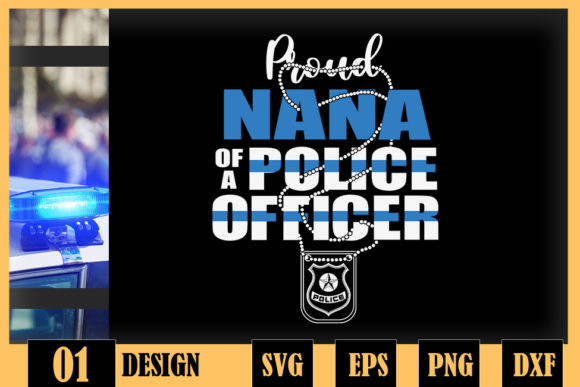
The Proud Nana of a Police Officer Thin Blue theme taps into a very specific emotional niche. It isn’t just about law enforcement; it is about family pride, sacrifice, and support. Visually, the design leans heavily into the "Thin Blue Line" aesthetic, which immediately signals respect and solidarity. For a handmade product intended as a personalized gift, this emotional resonance is its strongest asset.
From a layout standpoint, the text hierarchy is crucial. In many digital graphics, the phrase "Proud Nana" gets lost behind the badge imagery. However, in this version, the typography feels balanced against the graphical elements. The mood is serious yet warm, making it suitable for mature recipients but also appealing to younger families who want to honor a relative’s service. It feels professional enough for a custom apparel order but personal enough for a baby shower or holiday gift.
Real-World Application: Where This Design Shines
I tested the concept of this design across several common embroidery project categories to see where it fits best. Here is where the Proud Nana of a Police Officer Thin Blue design truly excels:
- Sweatshirt Embroidery: This is the natural home for this design. Heavy cotton blends or fleece provide the stability needed for dense lettering and detailed badges. Placing this on the front left chest or center chest of a unisex sweatshirt creates a high-value commercial embroidery item that sells well during holidays and National Police Week.
- Tote Bag Design: Canvas totes are a staple for Etsy sellers. The contrast between dark blue thread and natural canvas works beautifully here. It serves as a great promotional item for police departments or a heartfelt gift for a grandmother who runs errands.
- Embroidered Patch: If you plan to sell pre-made patches, this design has strong recognition value. Law enforcement communities often wear their pride on their sleeves—literally. A well-stitched patch with clean edges adds a layer of professionalism that customers trust.
- Baby Embroidery: While the theme is serious, placing a smaller, simplified version of this design on a baby onesie or bib creates a touching legacy piece. Parents love items that connect their child to their grandparents’ values.
For digital product sellers, this design also works well as a printable mockup element. You can use the vector file in software like Adobe Illustrator or Corel Draw to create listings that show potential buyers exactly how the final finished product will look on different garments.
Technical Performance and Stitch Clarity
When evaluating any embroidery file, I look at the stitch density and the transition between elements. The Proud Nana of a Police Officer Thin Blue design likely utilizes a mix of satin stitch for outlines and text, and fill stitch for solid shapes like badges or stars.
The success of this design depends heavily on the quality of the stitch density. If the fill stitches are too sparse, the fabric texture will show through, making the design look cheap. If they are too dense, the fabric may pucker, especially on lighter materials. In my experience, designs with thick block letters require careful hooping and proper stabilizer selection to avoid shifting.
The "Thin Blue" aspect usually involves long stretches of single-color thread. This is where thread colors matter most. Using a high-quality polyester or rayon thread in a true navy or black ensures the line stands out without breaking. If the thread is low quality, those long satin stitches can snag or appear fuzzy after washing.
Where to Use Caution
Not every surface is created equal. There are specific scenarios where this design might struggle:
- Small Hoop Sizes: If you attempt to digitize or embroider this on a 4x4 hoop, the text may become cramped. Ensure your hoop size allows for adequate spacing between letters to maintain readability.
- Textured Fabrics: Avoid using this design on heavy waffle knits or loose-weave fabrics. The needle penetration can distort the pattern, and the stabilizer won't lay flat. Stick to smooth cottons, poly-blends, or denim.
- Curved Surfaces: Embroidering directly onto a curved cap can be tricky. If the design includes small details or tiny lettering, it may become distorted around the crown. It is safer to embroider the design flat and then attach it as a patch, or use a specialized cap frame if you have advanced skills.
- Frequent Washing: For items like kitchen towels or aprons that undergo heavy laundering, ensure the design is anchored well. Loose ends or inadequate backstitching can lead to fraying over time, which damages the reputation of your crafter business.
Impact on Product Value and Brand Trust
In the world of small shop products, presentation is everything. A well-executed Proud Nana of a Police Officer Thin Blue design elevates the perceived value of the item. Customers are not just buying a shirt; they are buying a statement of pride. When the stitching is clean, the colors are vibrant, and the placement is centered, it signals that you care about quality.
This translates directly to buyer engagement. Reviews for handmade goods often mention the "quality of the embroidery" as a key factor in five-star ratings. By choosing a design that is clear, legible, and emotionally resonant, you reduce the likelihood of returns due to dissatisfaction with the visual appeal.
Furthermore, for design assets creators, offering this in multiple formats (such as digital embroidery file versions compatible with Cricut Design Space or Silhouette Studio) broadens your market. Crafters who use cutting machines rather than embroidery machines can still utilize the graphic for heat transfer vinyl (HTV) projects, expanding the utility of your product.
Practical Designer Notes Before You Stitch
Before you rush into production, keep these technical checks in mind:
- Test on Scrap Fabric: Always run a test stitch on the same type of fabric you plan to use. This helps you adjust thread tension and confirm that the stabilizer choice is correct.
- Check Black and White Mockups: Convert your design to grayscale to ensure there is enough contrast between the text and the background. Dark blue thread on black fabric can disappear if the lighting isn't right.
- Inspect Small Details: Zoom in on the digital file. Are there any overly thin lines that might break during stitching? If so, consider simplifying the design or increasing the stroke width.
- Confirm Licensing: This is critical for commercial embroidery projects. Check the license terms provided with the file. Some designs are for personal use only, while others allow commercial sales of finished goods. Never assume; always verify to protect your craft business from legal issues.
- Compare Light and Dark Backgrounds: Test the design on both white and dark fabrics to see how the thread colors interact. Sometimes a design that looks great on white needs a different thread palette for black fabric.
Ultimately, the Proud Nana of a Police Officer Thin Blue design is a strong contender for anyone looking to tap into the patriotic and familial gifting market. It balances emotional weight with visual clarity, making it a versatile tool for apparel decorators and creative entrepreneurs. Just remember that the difference between a good design and a great finished product lies in the execution—choose your threads wisely, stabilize properly, and let the quality of your work speak for itself.