Thin Line Police Heart Back the Blue Review
As a designer who spends more time looking at stitch density charts than actual sleep, I approach every new download with a healthy dose of skepticism. The market is flooded with generic shapes and recycled motifs, so finding a design that balances emotional resonance with technical viability is rare. Recently, I pulled Thin Line Police Heart Back the Blue into my workflow to see if it holds up under the pressure of real-world application. This isn’t just about aesthetics; it’s about whether this embroidery file can survive the rigors of production for a small business or a meaningful personal gift.
First Impressions: Mood and Visual Personality
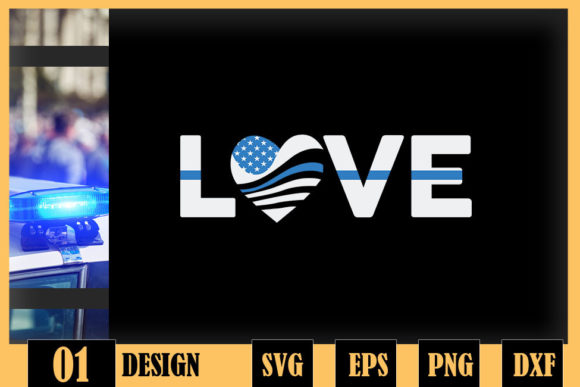
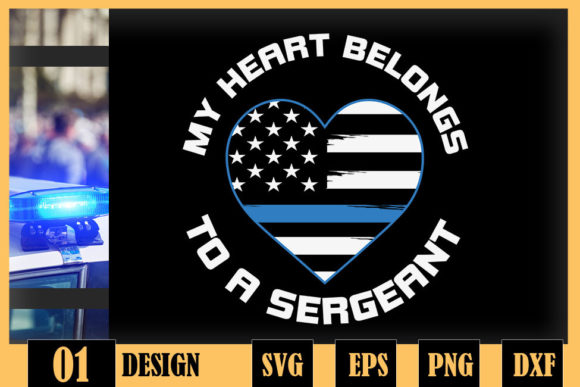
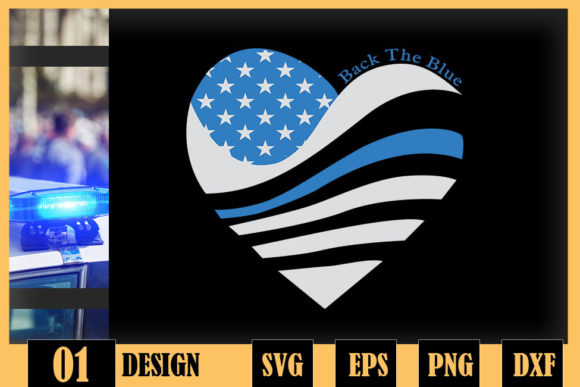
The moment you open the file in your digitizing software, the intent is clear. The design leverages the classic "thin line" motif—a symbol of support for first responders—encased within a heart shape. Visually, it strikes a balance between solemn respect and celebratory pride. For an embroiderer, the challenge with this type of graphic is always proportion. If the heart is too wide and the thin line too narrow, the detail gets lost in the fabric weave. If the line is too thick, it loses its delicate, symbolic meaning.
In testing, the layout feels grounded. It doesn’t scream for attention but rather invites a closer look. This makes it an excellent candidate for personalized gifts where the sentiment matters more than flashiness. The visual personality is professional yet warm, which is a tricky needle to thread when designing for apparel. It avoids being overly aggressive while still maintaining a strong identity. For craft business owners looking to add items to their Etsy listings, this design offers a safe, recognizable aesthetic that appeals to a broad audience without alienating potential buyers.
Real-World Application: From Screen to Stitch
I decided to test this design on three distinct surfaces to gauge its versatility: a heavy cotton canvas tote bag, a polyester-blend sweatshirt, and a smooth poplin cap. Each surface presents unique challenges regarding tension, stability, and thread visibility.
On the tote bag, the design shone. The sturdy fabric could handle the stabilizer well, and the contrast between dark thread and light canvas made the thin line crisp and legible. This is a prime example of how a tote bag design can elevate a simple accessory into a statement piece. Customers often buy these as practical items, but they wear them as badges of support. The embroidery adds a layer of perceived value that print cannot match.
The sweatshirt embroidery test was equally promising. However, this required careful attention to stitch density. Because fleece or brushed cotton can be bulky, piling up stitches in the center of the heart can create a hard, uncomfortable lump. By adjusting the fill stitch to be slightly lighter and ensuring the satin stitch around the border was tight enough to prevent fraying but not so dense that it buckled the fabric, the result was clean and wearable. This is crucial for custom apparel where comfort dictates repeat purchases.
The cap presented the most difficulty. Curved surfaces are unforgiving. While the overall shape held up, I noticed that the smallest details near the top curve of the heart began to merge if the hoop wasn’t perfectly aligned. This serves as a reminder that while the digital file may look perfect on screen, physical constraints like hoop size and curvature can alter the final output. For embroidered patches or hat branding, precision is non-negotiable.
Where Caution Is Required
Not every project is a good fit for Thin Line Police Heart Back the Blue. There are specific scenarios where this design might fail to deliver the expected quality.
- Small Hoop Sizes: If you are working with a 4x4 inch hoop or smaller, the thin line detail may become indistinguishable. The eye needs space to appreciate the negative space created by the line. On tiny baby onesies, this design might look cluttered rather than elegant. Consider scaling down only if the details remain sharp.
- Textured Fabrics: Linen, burlap, or heavily woven fabrics can swallow fine stitching. The running stitch or fine lines of the thin line motif may get lost in the texture, resulting in a muddy appearance. Smooth fabrics like cotton twill or microfiber are ideal.
- Stretchy Materials: Jersey knits require significant stabilization. Without proper tear-away or cut-away stabilizer, the tension from the satin stitch can distort the heart shape, making it look warped even after washing. Always test on scrap fabric first.
- Dense Stitch Areas: Avoid placing this design over existing seams, pockets, or other heavy embroidery. The combination of layers can lead to puckering and needle breakage. Plan your placement carefully to ensure the garment remains flat and comfortable.
Impact on Product Value and Brand Trust
For Etsy sellers and small shop product creators, the quality of execution directly impacts customer trust. A poorly stitched design suggests a lack of professionalism, regardless of how beautiful the concept is. Conversely, a clean, well-executed machine embroidery design signals care and attention to detail.
This design, when executed correctly, enhances handmade presentation. It allows the maker to position their brand as supportive and community-oriented. The "Back the Blue" theme carries emotional weight, and seeing it rendered in high-quality thread creates a tangible connection between the buyer and the message. This is particularly effective for holiday embroidery projects, such as Christmas gifts for law enforcement families, or wedding gifts for couples where one partner serves in public service.
Furthermore, the versatility of the file means it can be adapted for various design assets. You can use it for printable mockups to showcase products before they are made, or as a base for digital embroidery file bundles. Its clean lines make it easy to integrate into larger compositions, adding a focal point without overwhelming the design.
Practical Designer Notes for Success
To ensure the best results with Thin Line Police Heart Back the Blue, follow these practical steps:
- Test on Scrap Fabric: Never go straight to the final product. Test the design on the exact fabric you plan to use, including the stabilizer. Check for tension issues, thread breaks, or puckering.
- Check Thread Color Contrast: The thin line relies on contrast to be visible. Dark thread on dark fabric will disappear. Light thread on light fabric will vanish. Choose colors that pop against your background material.
- Review Stitch Density: Inspect the fill stitch settings. If the design looks too heavy, reduce the density slightly to improve drape and comfort. Ensure the satin stitch borders are tight enough to cover the underlying fill but not so tight that they cause distortion.
- Confirm Hoop Size: Verify that the design dimensions fit comfortably within your machine’s hoop, leaving enough margin for clamping. If the design is large, consider splitting it or using a larger hoop frame.
- Inspect Small Details: Zoom in on the digitized file. Are the tiny elements separated? Will they stitch cleanly? If details are too close together, they may fuse during stitching.
- Test in Black and White: Convert the design to black and white in your software to check the balance of positive and negative space. This helps identify areas that may be too crowded or too sparse.
- Compare Light and Dark Backgrounds: See how the design performs on both ends of the spectrum. A design that works well on white may need adjustment for navy blue or black garments.
- Use Proper Stabilizer: Match your stabilizer to your fabric. Heavy fabrics need heavy stabilizers; light fabrics need lightweight options. Incorrect stabilization is the #1 cause of poor embroidery results.
- Check Licensing: Before selling finished items or commercial embroidery products, review the license terms. Some files are for personal use only, while others allow commercial sales. Confirming this protects your business from legal issues.
Final Verdict
Thin Line Police Heart Back the Blue is a solid, versatile addition to any embroiderer’s library. It succeeds because it respects the limitations of the medium while delivering a powerful message. It is not a flashy, over-complicated design that tries to do too much; instead, it focuses on clarity and emotion. For creative entrepreneurs and makers looking to expand their offerings with meaningful, high-quality products, this design delivers. Just remember: the file is only half the equation. Your skill in setup, stitching, and finishing is what turns a digital graphic into a cherished finished product.